


Transform Your Treasure Valley Property:
7 Sub-Grade Prep Tips for Solid Foundations
When it comes to building any structure, be it a house, a commercial building, or even a garden shed, the foundation is the most critical element. A solid foundation ensures the stability and longevity of the structure.
One of the key aspects of creating a strong foundation is sub-grade preparation. Sub-grade preparation involves the proper assessment and preparation of the soil and ground where the foundation will be laid.
In this blog post, we will explore some essential sub-grade prep tips to help you ensure a solid foundation for your property.
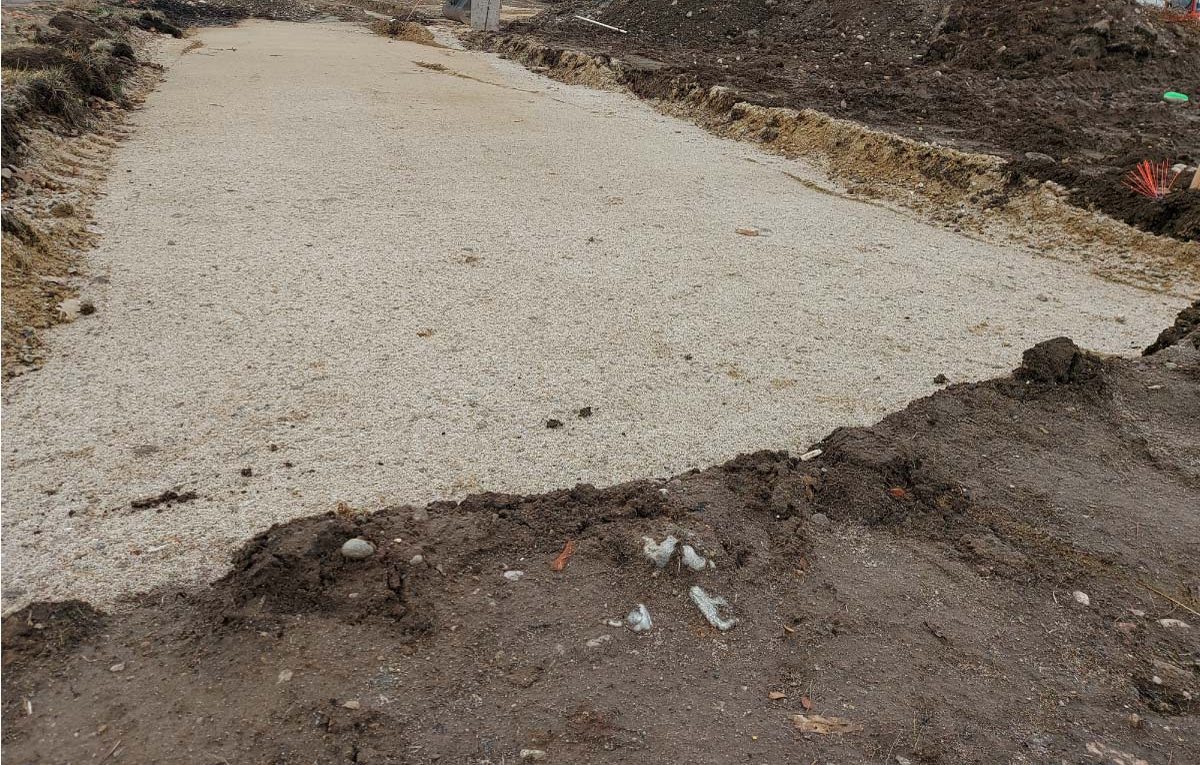
#1 Soil Testing: The First Step
The journey towards a robust foundation begins with soil testing. Before any construction begins, it is vital to analyze the soil on your property to determine its load-bearing capacity and other crucial characteristics.
A geotechnical engineer can conduct tests to assess factors such as soil composition, compaction, moisture content, and bearing capacity. Based on the test results, appropriate foundation design and construction techniques can be selected.
#2 Proper Drainage Considerations
Water is one of the biggest threats to any foundation. Poor drainage can lead to water accumulation around the foundation, which can cause soil erosion and weaken the foundation over time.
Before laying the foundation, it is essential to plan and implement an effective drainage system. This may involve grading the property to direct water away from the foundation, installing proper drainage pipes, and using waterproofing materials.
#3 Clearing and Excavation
Before the construction of the foundation can begin, the construction site must be thoroughly cleared of any debris, vegetation, or obstructions. Once the area is clear, excavation can begin.
Excavation involves digging out the soil to the required depth for the foundation. Care must be taken to ensure uniform depth and level, as any variation can lead to uneven settling of the structure.
#4 Compaction: Building a Strong Base
Proper soil compaction is a critical step in sub-grade preparation. Compaction involves using machinery to compress the soil to increase its density and load-bearing capacity. Compaction eliminates air gaps within the soil, reducing the risk of settling and foundation failure.
The appropriate compaction method and equipment may vary depending on the soil type, so it is essential to consult with a geotechnical engineer or construction expert.
#5 Installing a Sub-Base
A sub-base is a layer of granular material, such as crushed stone or gravel, placed on top of the compacted soil. This layer helps to distribute the load of the structure more evenly and prevents direct contact between the foundation and the sub-grade.
Properly installed sub-base improves the stability and longevity of the foundation.
#6 Consideration for Frost Heave
In regions with cold climates, frost heave can be a significant concern. Frost heave occurs when moisture in the soil freezes and expands, causing the soil to lift and potentially damage the foundation.
To combat this, foundations in such areas are typically built deeper below the frost line. Additionally, proper insulation and drainage techniques can help minimize the impact of frost heave.